
Professional Lawn, Landscape & Snow Services in Minnesota
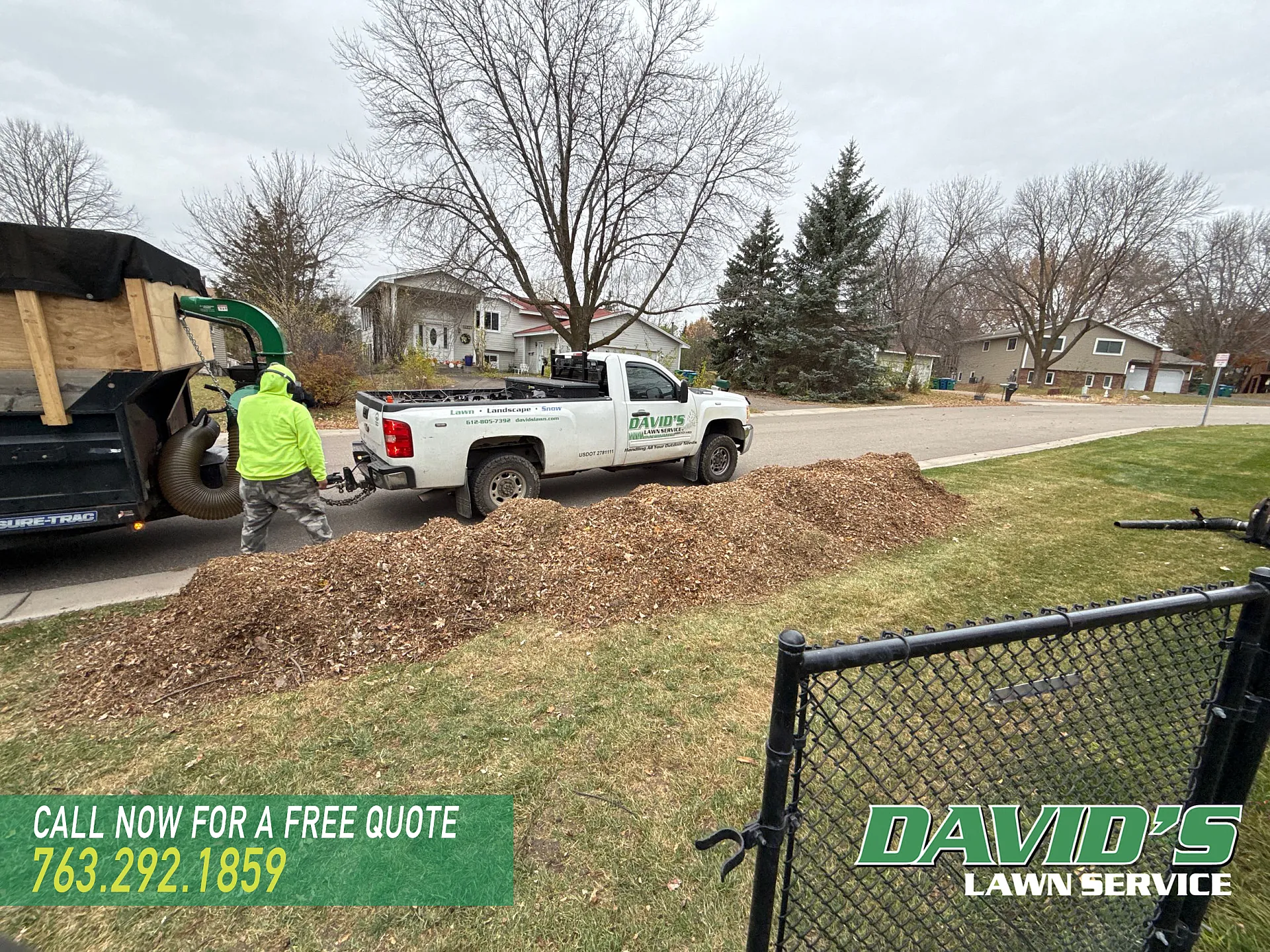
As the snow finally retreats across the West Metro, homeowners from Maple Grove to Mound are starting to look at their yards and wonder where to begin. A healthy, vibrant summer lawn does not happen by luck. It starts with the right steps during the spring thaw. At David’s Lawn Service, we focus on giving Minnesota lawns the proper “wake-up call” they need to perform well through the heat and stress of July and August.
Winter leaves behind more than just cold memories. It leaves a layer of debris, fallen branches, and matted organic material that can trap moisture and restrict new growth. A thorough spring clean-up allows your lawn to breathe again and helps prevent issues such as snow mold and early-season disease as the soil warms. Whether you are in Plymouth or Minnetonka, starting with a clean surface sets the foundation for everything that follows.
If your lawn feels spongy underfoot or looks thin, excessive thatch buildup may be part of the problem. A simple way to check is to use your fingers to spread apart the grass. If it is difficult to see the soil beneath the matted grass and debris, dethatching is likely needed.
Thatch is a layer of dead grass and roots that sits between the soil surface and the green blades of grass. While a small amount is normal, too much thatch can block water, air, and fertilizer from reaching the root zone, limiting overall lawn health.
We use spring tines rather than aggressive full power-raking machines to remove excess thatch while being gentler on healthy turf. As we run the dethatcher over the lawn, we also use backpack blowers to lift and remove as much loosened thatch and debris as possible. This extra step leaves the lawn cleaner and better prepared to absorb water and nutrients. This approach is especially beneficial in the heavier soils common in areas like Medina and Corcoran.
If there are two services that make the biggest long-term impact on lawn health, it is core aeration and proper fertilization. Over time, Minnesota soils become compacted from foot traffic, heavy rains, and natural settling. Core aeration relieves this compaction by pulling small plugs of soil from the lawn, allowing oxygen, water, and nutrients to reach the root zone where they are needed most.
When aeration is paired with professional-grade fertilization, the results are significant. Fertilizer provides the nutrients the lawn needs to recover, thicken, and strengthen its root system. Together, these services promote deeper roots, improved density, and better stress tolerance, which is your lawn’s best defense against summer heat, drought conditions, and heavy use.
Request Your Free Spring Quote Now
Request Your Free Spring Quote NowCopyright © 2015 - . Haxton Enterprises, LLC DBA Davids Lawn Service.


Website Design & Hosting By: Lawn Web Pros